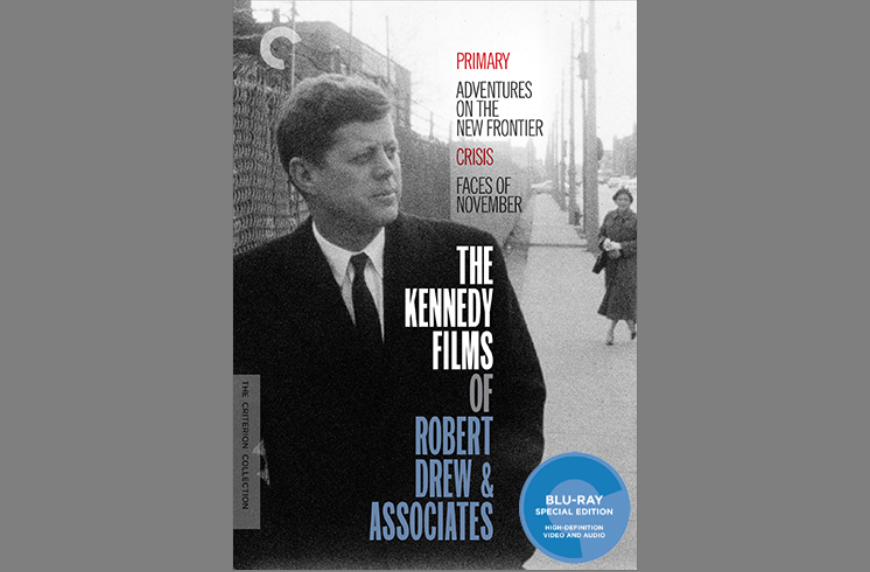
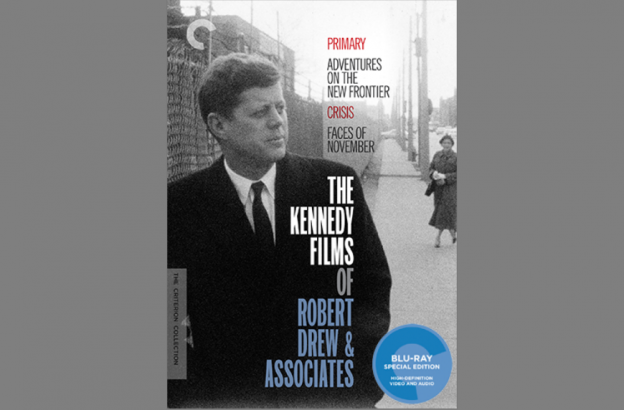
In 1960, when Robert Drew produced "Primary", it was
recognized as a breakthrough, the beginning of what
came to be called "Cinema Verite," in America.
"Primary" was the first film in which the sync sound camera
moved freely with characters throughout a breaking story.
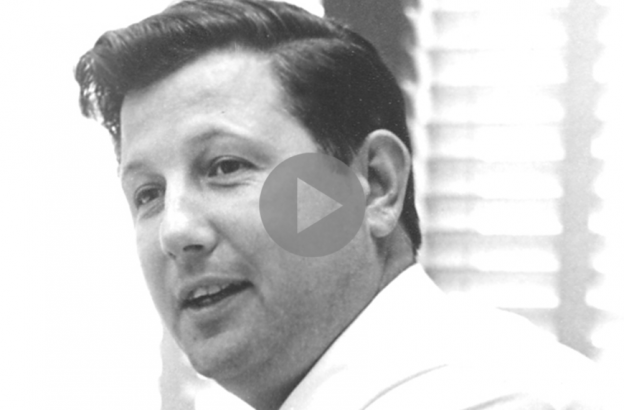
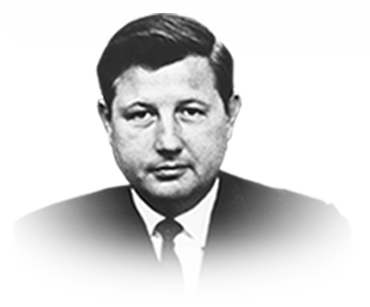
Drew, a former LIFE magazine correspondent and editor,
wanted to expand LIFE's candid still photography into
sound and motion pictures. He developed his ideas into
new editorial approaches for candid film reporting while
on a Nieman Fellowship at Harvard. At Time Inc. he began
to implement those ideas, first by managing the engineering
of light weight equipment and then creating in 1960
an organization that could undertake the making of his
first candid film.
For his first subject Drew chose a young senator, John
F. Kennedy, who was running against Hubert Humphrey
for the Democratic presidential nomination in Wisconsin.
Drew brought photographer Richard Leacock with him to
meet Pierre Salinger, who sent them to Detroit to meet
Kennedy. Drew and Leacock flew with Kennedy to Washington,
where Drew outlined his new form of reporting in which
the camera would be with the senator from dawn to dusk
and shoot everything he did.
"Kennedy asked questions about how this would
work. Was I out to get him? He didn't use those words,
but that was his question," recalls Drew. "I
told him we were partial to neither side and would edit
fairly, and for this to work at all, he would have to
trust me." He gave me a long look and said, "If
I don't call you by tomorrow, we're on." "And
he didn't call, and we were on."
Drew got the same agreement from Humphrey and "Primary"
was set up. His idea was that he and Leacock would divide
their time between Kennedy and Humphrey from dawn to
midnight, day after day, for five days of intense campaigning.
Drew carried a recorder synchronized through a wire
to the camera operated by Leacock. Drew assigned photographers
Al Maysles, Terrence McCartney Filgate, and Bill Knoll
to round out the coverage. D.A. Pennebaker joined the
teams for the last evening of the campaign.
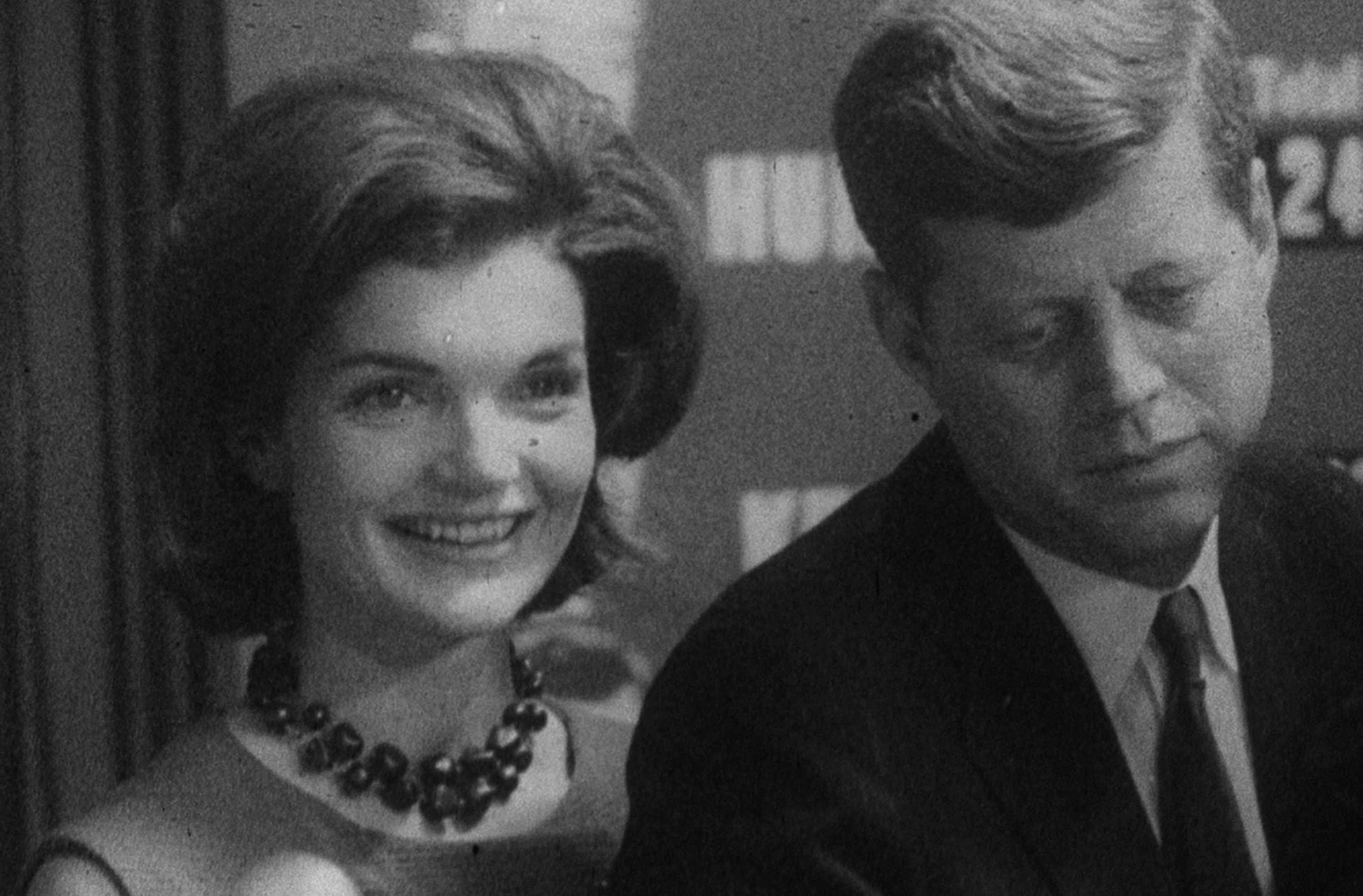
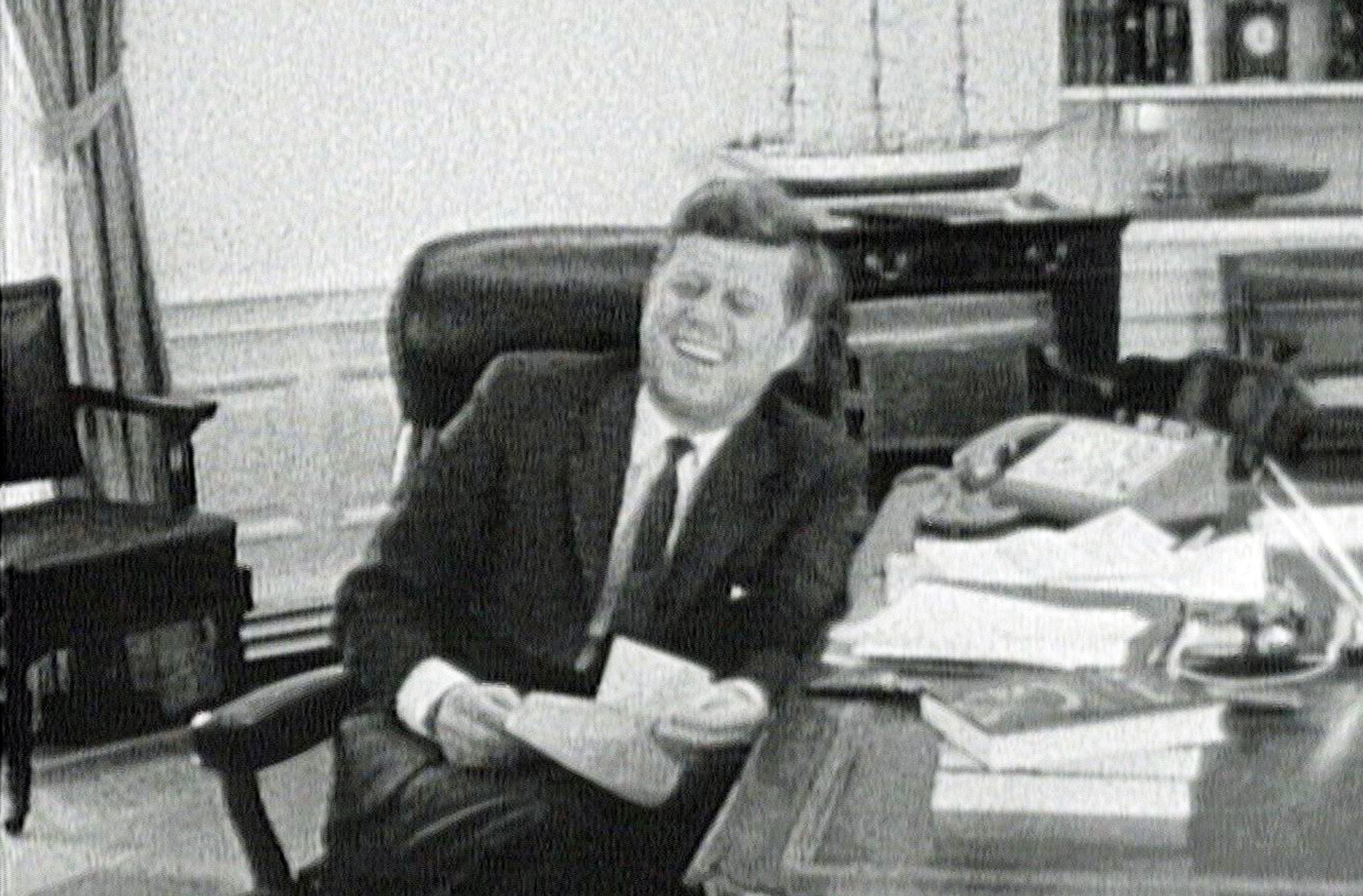
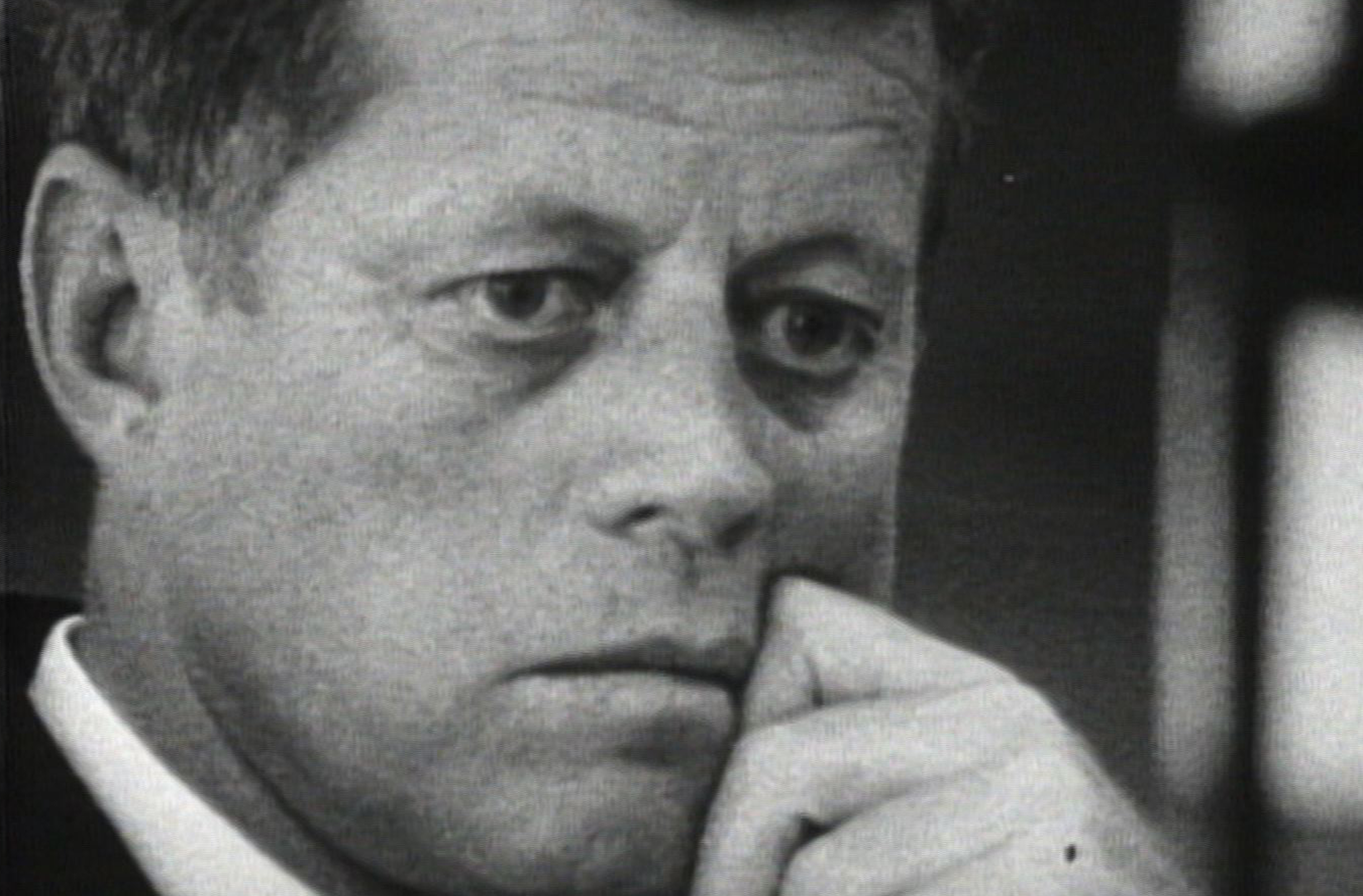
The free wheeling photography in "Primary" captured the
characters and flavor of campaign politics as it had
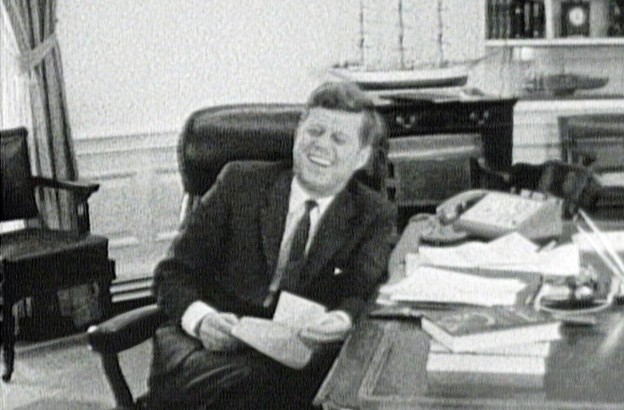
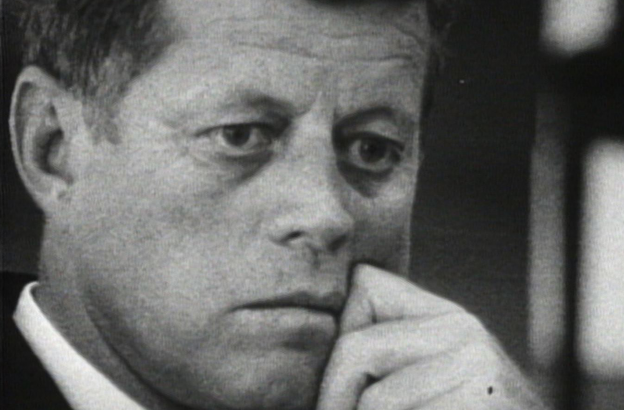
never before been seen on film. Kennedy's rational,
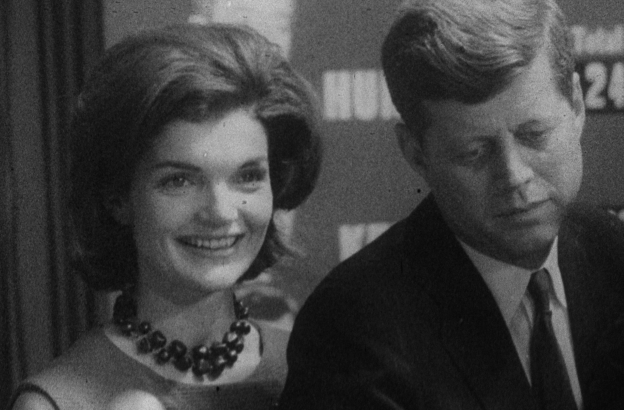
charismatic presence, squealing urban crowds, Jackie
Kennedy's radiance, Bobby Kennedy's shy charm on the
stump for his brother; Humphrey's down home populist
appeal to farmers, his humor and affection for his wife,
Muriel; the anxiety and contrasting styles of the two
candidates as they anticipated the returns.
With this new, long running, candid footage, Drew was
able to outline the editing for a story that would tell
itself through the dramatic logic of people living through
an event with less than two minutes of narration.
"Primary" received the Robert Flaherty Award and the
American Film Festival Blue Ribbon in 1960 and was recognized
around the world as a breakthrough in documentary filmmaking.
Dubbed "cinema verite" in Europe, Drew's form
was quickly copied in documentary and feature films.
But missing the comfort of standard narration "You've
got some nice footage there, Bob" the American
television networks declined to broadcast it. "The
immediate effect of the film in this country,"
says Drew, "was on Time Life Broadcast. "They
asked me to make more films."
In 1990, "Primary" was selected as an historic American
film for inclusion in the Library of Congress' National
Film Registry.
|